WHAT IS RESPIRATORY
IMMUNE BALANCE?
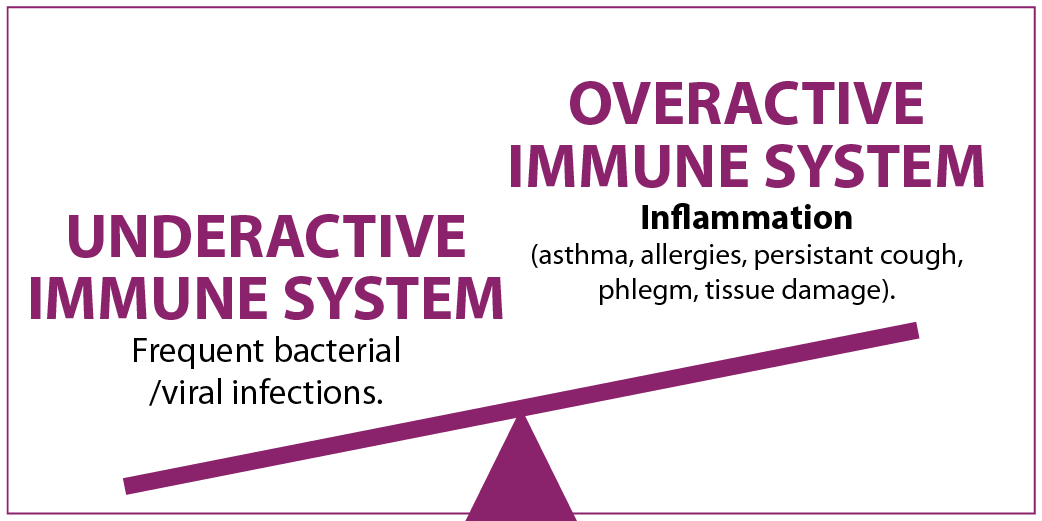
Respiratory immune balance is the ability of the airways and lungs to return to a normal healthy state quickly and completely after inflammation.
Inflammation is the natural process of neutralising and removing dangerous foreign particles and pathogens.
Immune balance relies on checkpoints in specific immune cells that recruit and activate other immune cells to fight when needed; reduce these immune cell numbers when finished; and reorient immune cell activity to heal and repair damaged tissue after the threat has been removed.
What are macrophages &
why are they so important?
Macrophages are innate immune cells that may reside in both the epithelial cells of lungs (alveolar macrophages) and circulate in the blood as a type of white blood cell.
Macrophages play multiple important roles in detecting and fighting pathogens and healing damaged tissue. Macrophage activity can change based on environmental cues.
Macrophages have three activation states – the ability of macrophages to change states to perform multiple different functions places them at the centre of immune balance. Because macrophage activity can be influenced by environmental factors, including diet, they are also a convenient target for interventions such as BerriQi, to help re-establish balance.
the three macrophage
activation states.

Why does it take
so long to recover
from respiratory
infections?
Typical respiratory infections are short-lived, with the average rhinovirus infection lasting approximately 72 hours.
Lingering Symptoms
However, symptoms of inflammation such as runny nose, mucus production, cough, and shortness of breath can persist long after, reducing productivity and limiting quality of life. Because macrophages are so sensitive to the environment, which often carries additional stressors such as dust, pollution, and allergens, some macrophages may not seamlessly progress through all the activation states to resolution of inflammation, leading to continued inflammation and symptoms of healing.
The immune system may require additional anti-inflammatory cues from diet, and macrophages may need additional prompting from bioactive molecules to progress through activation states until the immune system has calmed to its normal baseline level of alertness and activity.
“Our lungs face environmental
stressors such as pollution,
allergens, and pathogens everyday.
Supporting our respiratory immune
system to respond in proportion
to actual threats, quickly restore
calm and return to balance the
rest of the time is key to ensuring
we can breathe easily through
clear airways.”
– Starin Mckeen, Scientist

Why do we care?
Respiratory infections impact everyone. Even the most minor infections and their resulting inflammation are inconvenient and reduce productivity and quality of life, often for an extended period of time because inflammation can last much longer than the infection itself. More severe respiratory infections that overwhelm the immune system contribute to 2.6 million deaths annually, and many more lead to chronic respiratory disease onset because of immune dysregulation and uncontrolled, inappropriate inflammation.
How can BerriQi help?
BerriQi helps to move the immune system from fight mode into healing mode and further resolve symptoms of inflammation. This reduces the severity of symptoms, shortens the time of sickness, and prevents long term damage.

Why IS POLLUTION
SO DANGEROUS?
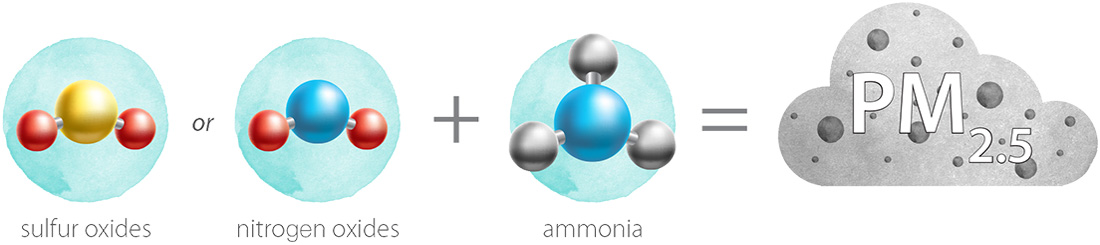
The smaller the air pollutant, the more dangerous it is to human health. High levels of particulate matter smaller than approximately 2.5 micrometers (PM2.5) are associated with poor health outcomes and many of the leading causes of death. At this microscopic size they are small enough to infiltrate deep into our lung tissue and enter our bloodstream. In our lungs they can cause ongoing inappropriate inflammation, with this chronic long-term inflammation causing scarring and making breathing more difficult. Once in our bloodstream, PM2.5 can cause further inflammation and promote plaque formation – thereby increasing blood pressure and increasing risk of stroke.
WHY DO WE CARE?
The World Health Organisation estimates that 99% of the global population breathes air containing levels of pollutants exceeding healthy limits, with at least 80% of the global population living in high pollution environments. Air pollution is one of the leading risk factors for death, attributing to 11.65% of deaths globally.
What happens when fine particles get into your lungs?
- When you live in a city with air pollution, air containing oxygen and fine particles travels down the trachea (windpipe) and through the bronchiole tubes to the air sacs.
- The fine particles lodge in the air sacs, causing irritation. Eventually the air sacs become thick, stiff and scarred from inflammation. The lungs harden and don’t inflate easily.
- Breathing becomes difficult and uncomfortable. You feel breathless, weak and tired.
How can BerriQi help?
BerriQi helps to support the lungs to repair the inflammatory damage caused by particulates. BerriQi helps people living in high pollution environments take bigger deeper breaths through clear airways, while preventing long term damage and reducing risk.
How does BerriQi
restore respiratory
immune balance?
BerriQi contains high concentrations of bioactive polyphenols and anthocyanins which have broad antioxidant and anti-inflammatory effects, as well as more specific effects on alveolar macrophages that leads to reduced mucus production and reduced collagen in the interstitial space where gasses are exchanged.
ANTIOXIDANT
ACTIVITY
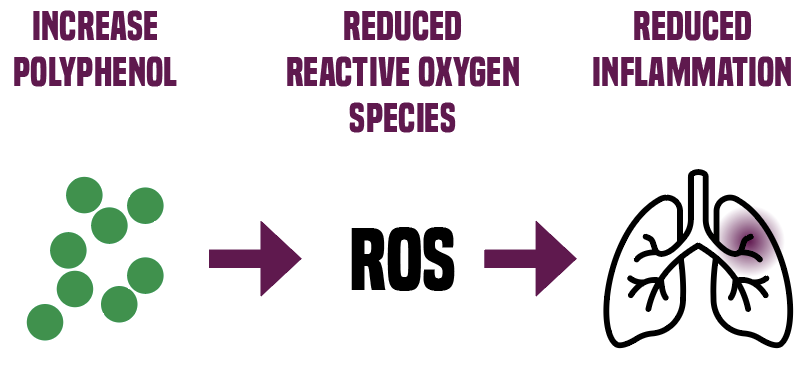
prevents damage to delicate tissue in the airways by absorbing and neutralising oxidants such as reactive oxygen species. Reactive oxygen species are inhaled in pollution, but they are also produced by immune cells which secrete as part of the chemical warfare against invading pathogens.

ANTI-INFLAMMATORY
ACTIVITY
means the number of immune cells in the lungs decreases, because fewer immune cells are recruited. This reduction in immune cell number creates more space for the lungs to expand, so bigger and deeper breaths can be taken.
REDUCED MUCUS
PRODUCTION
may be a result of having fewer excess immune cells to remove from the lungs. The reduction in cough allows tissue to heal faster.
REDUCED COLLAGEN
in the interstitial space of lungs is the final step in healing, allowing gasses to be exchanged between air and the blood stream across thin alveolar membranes. The reduced collagen also restores stretch and lung capacity, which may have been compromised contributing to shortness of breath.
normal
+ allergic inflammation
+ allergic inflammation
& boysenberry
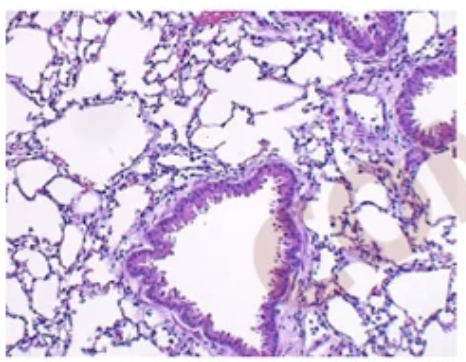
Top row: Haematoxylin & Eosin staining of immune cells (dark purple clusters) infiltrating into the lung following chronic allergic inflammation (arrows). Boysenberry consumption prevented the accumulation of immune cells following allergic inflammation.
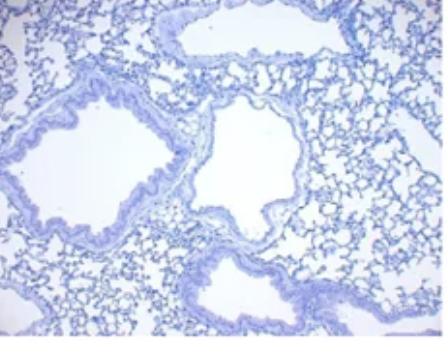
Bottom row: Alcian Blue & Periodic Acid Schiff staining of mucous producing goblet cells. Following repeated allergic challenges there was an increase in the number of mucous (dark purple) positive goblet cells within the lung (arrows). Boysenberry consumption reduced the accumulation of mucous positive cells in the lungs as a result of allergic inflammation.
BerriQi reduces immune cell infiltration
Click graphics above & below to enlarge
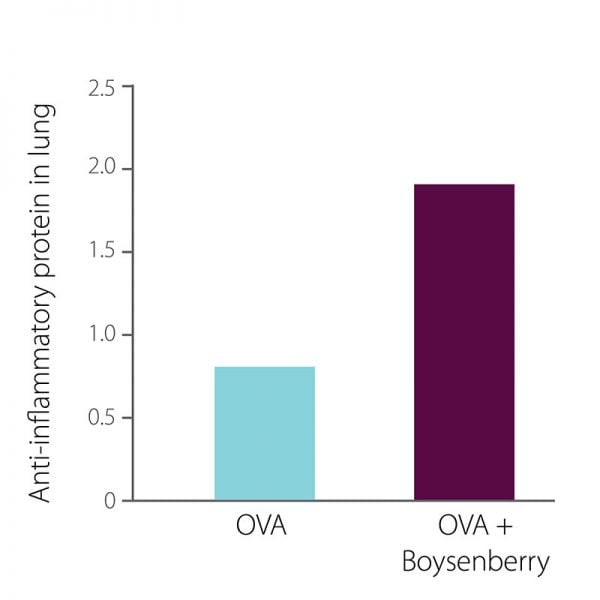
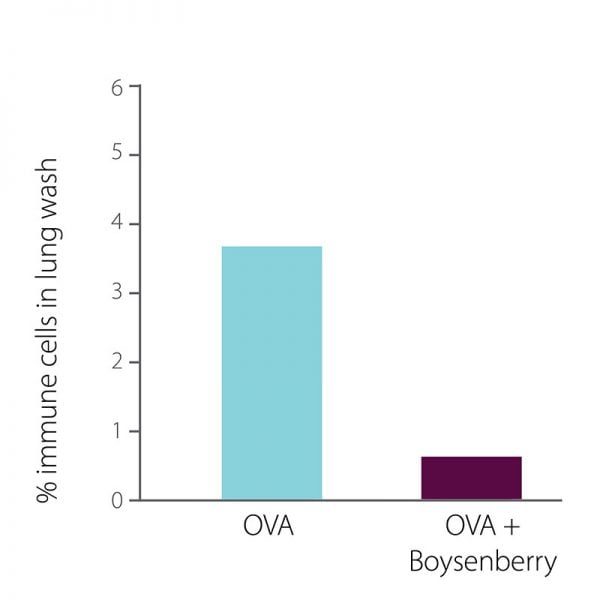
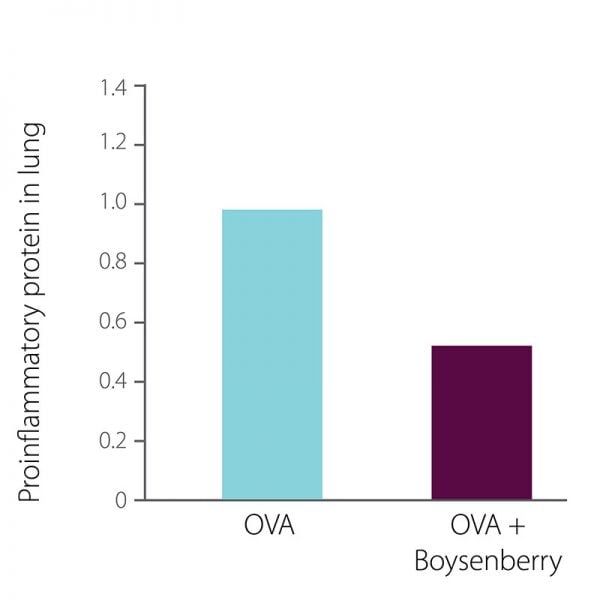
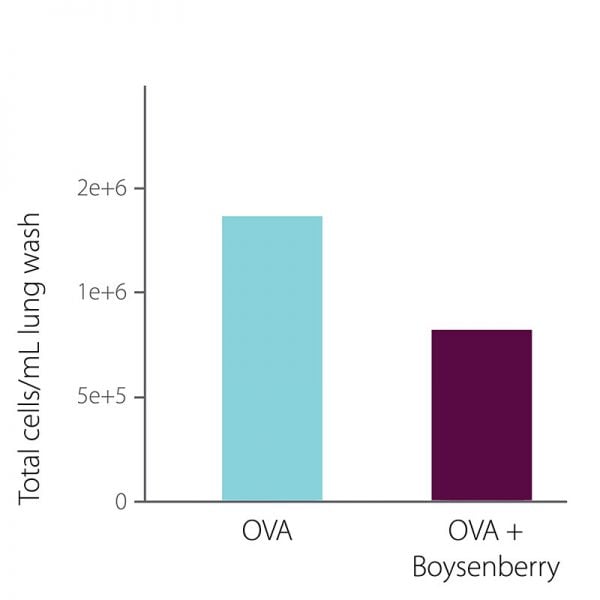

“NZ Boysenberry is one fruit that’s been shown in preclinical models to have positive effects on lung health.”
– PLANT & FOOD RESEARCH
What are polyphenols
& how do they help
protect lungs?
BerriQi contains high concentrations of bioactive polyphenols and anthocyanins which have broad antioxidant and anti-inflammatory effects, as well as more specific effects on alveolar macrophages that leads to reduced mucus production and reduced collagen in the interstitial space where gasses are exchanged.
What are anthocyanins & how
do they help protect & repair lungs?
Anthocyanins are a class of polyphenols known for their distinctive colour that range from purple to pink to red.
Berries produce anthocyanins in the final stages of ripening. Berries grown in New Zealand produce nearly 30% more anthocyanins due to increased UV intensity. Over 600 distinct structures of anthocyanins have been identified and characterised
While all anthocyanins are potent bioactives, not all structures of anthocyanins have the same type of bioactivity. The specific type of anthocyanin that Boysenberries produce have the unique ability to bind to a receptor in macrophages that triggers a signalling cascade altering the activity of the macrophage.
The macrophage activation state progression from M1 to M2 reduces inflammation due to reduced immune cell recruitment. In this state, macrophages promote healing by prompting
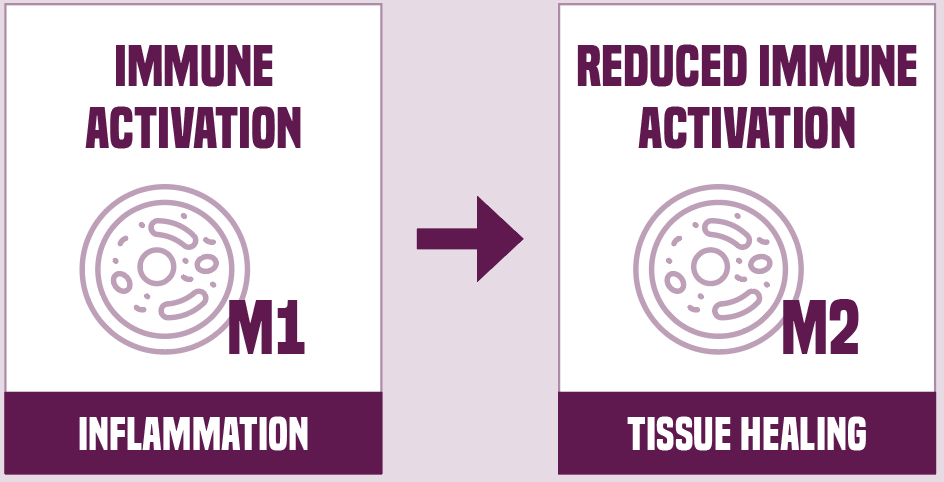
collagen production to support and protect damaged cells while they repair and regenerate.
When the anthocyanins in BerriQi prompt the macrophage activation state to progress from M2 to M2C, several molecular switches are flipped. Amongst these are:
– MMP9 is turned off: Matrix Metalloproteinase-9 refers to a gene that codes for a proteinase that directly breaks down extracellular matrices such as abnormal collagen.
– TIMP1 is turned off: Tissue Inhibitor Metalloprotease 1 inhibits MMP9 activity and promotes increased collagen deposition.
Together, these molecular switches allow for the breakdown of collagen that was deposited for short-term support. This collagen breakdown restores stretch, increases lung capacity, and improves gas exchange between the air and the blood stream.
BerriQi provides potent
respiratory immune support.

Provides potent respiratory
immune support
Reduces lung inflammation
Reduces mucus over production
Reduces collagen scarring in
the lung
Supports lung tissue repair
Reduces wheeze, cough & phlegm
Clinical
Evidence.
BerriQi® is supported by 6 in-vitro and 6 in vivo preclinical studies and 2 clinical research studies demonstrating its effects on respiratory health and immune function.
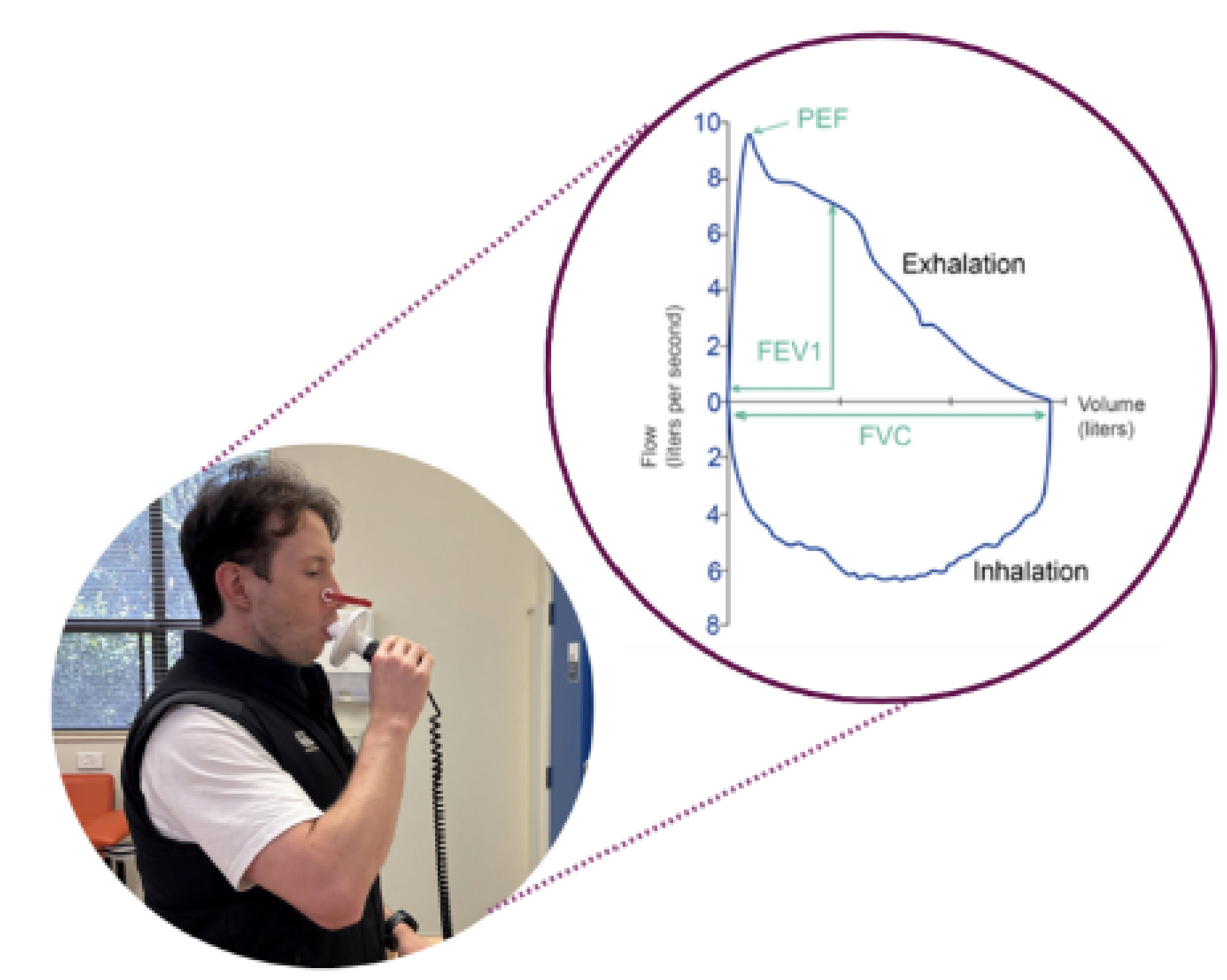
Click to enlarge
Click to enlarge
01. Berriqi & Ozone Study
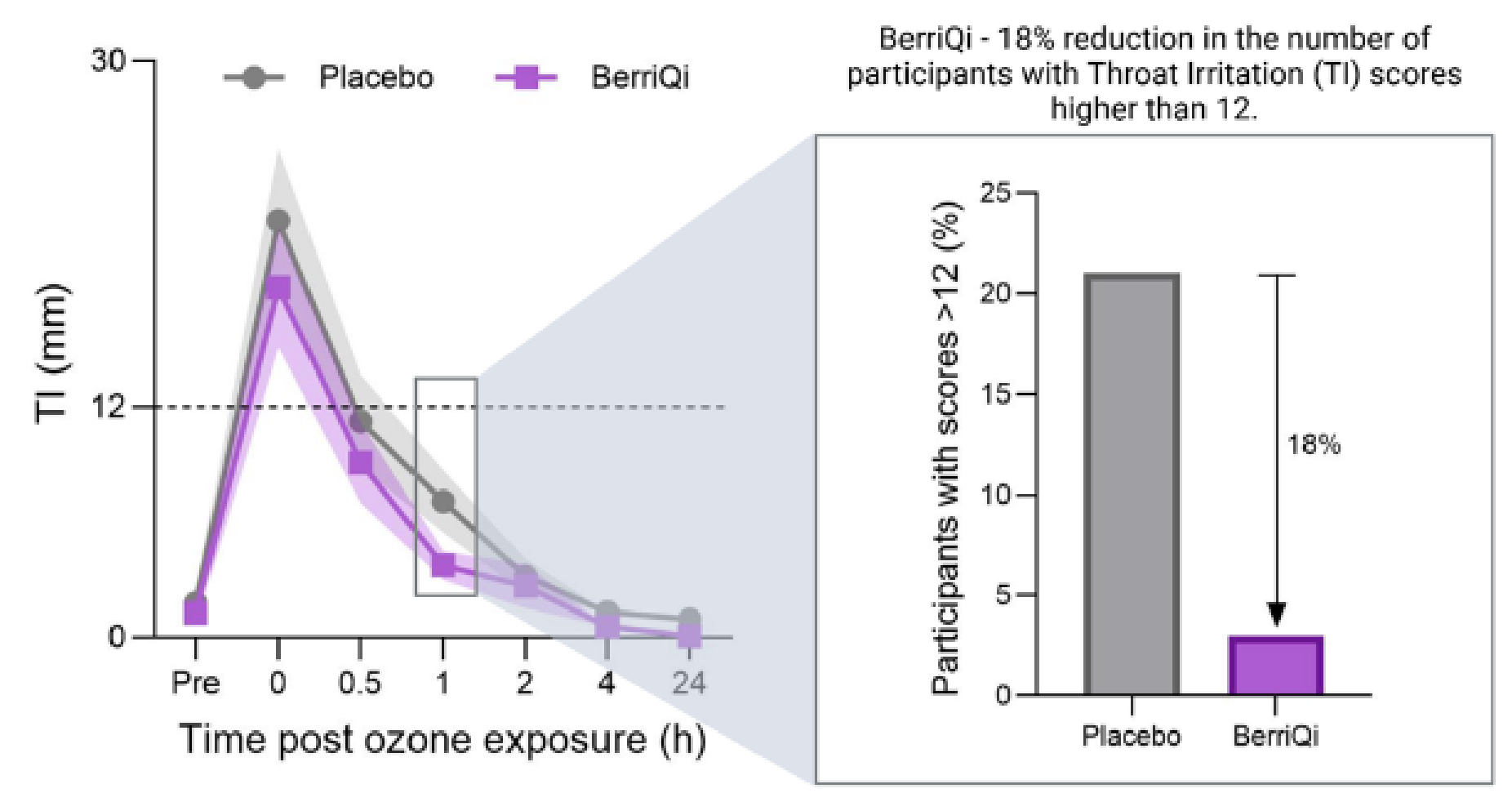
BerriQi lessens symptoms within one hour
“The dose-dependent effect of acute ozone exposure on lung function and the efficacy of a Boysenberry apple powder blend (BerriQi®) in reducing throat irritation and symptom recovery time in healthy adults.”
Completed in collaboration with the Bioeconomy Science Institute, a crown research institute of New Zealand, Our peer-reviewed clinical study has completed its first in Palmerston North, New Zealand.
Study details:
- N=20
- Exposed to 2 hours of ozone designed to mimic being exposed to pollution (AQI 125 = Shanghai air quality) – Picture of shanghai
- Lung function and lung symptoms were measured for 48 hours after.
Key results showed:
- BerriQi improves lung function
- Reduces symptoms such as throat irritation by 18% after exposure to ozone compared to placebo.
- Throat irritation was significantly lower following ozone exposure after BerriQi.
- BerriQi works within one hour to lessen the effects
- Faster resolution of SOB and PODI within an hour after ozone exposure in the BerriQi group.
- Preventative effect after exposure to pollution when BerriQi is comsumed for 5 days prior
Second cohort of this study (n=20) has also been completed, publication in June 2026.
Citation: Dominic Lomiwes, Matthew Barnes, Grayson Nicholls, Nayer Ngametua, Greg Sawyer, Alexander P. Kanon, Gowthami Vangala, Odette Shaw, The dose-dependent effect of acute ozone exposure on lung function and the efficacy of a Boysenberry apple powder blend (BerriQi®) in reducing throat irritation and symptom recovery time in healthy adults, Hygiene and Environmental Health Advances, Volume 15, 2025, 100132, ISSN 2773-0492, https://doi.org/10.1016/j.heha.2025.100132 (https://www.sciencedirect.com/science/article/pii/S2773049225000157)
02. Newly Completed Study
BerriQi Kids Clinical – Recovery 2 days quicker than placebo!
Our latest in-house clinical study has just completed! Our BerriQi kids study was a randomized, placebo-controlled trial in
62 children aged 5–13 years
where chewable BerriQi or placebo was given when they were off school with a respiratory illness
Daily symptoms were tracked using the validated Wisconsin Upper Respiratory Symptom Survey for Kids alongside an illness-specific quality-of-life tool.
Key results showed:
- Two day improvement in sick days compared to placebo (meaning kids got back to school quicker!)
- Significant reductions in symptom severity for:
- Coughing
- Sneezing
- Runny noses
- Improvement in recovery time for functioning:
-
- Playing
- Talking
- Going to school
-
This study has shown BerriQi’s potential for supporting cold and flu syumptoms in children! Full results will be released soon.

PAQ+ Boysenberries
& Apple Bioactive
Complex.
BerriQi isn’t just boysenberries. It is the combination of both boysenberries and apples that give BerriQi it’s therapeutic effect. Standardized to 15% of the total polyphenols present, PAQ+ comprises of the anthocyanins from boysenberries as well as the procyanidins and quercetin from apple.
Procyanidins
Flavonoids that strengthen vascular integrity and modulate immune response
Anthocyanins
Pigment antioxidants with potent anti-inflammatory and antiviral properties
Quercetin
A flavonol renowned for immune support and viral interference
PAQ+ helps BerriQi work in one hour:
PAQ+ supports enhanced efficacy due to synergistic effects:
The three classes of polyphenols interact to stabilize each other and amplify anti-inflammatory, immune-modulating, and tissue-healing effects. Additionally, the synergistic interaction between anthocyanins and other polyphenol classes promotes a phenomenon known as ligand swamping, where multiple polyphenolic compounds saturate metabolic enzymes and transporters, reducing first-pass metabolism and further increasing overall polyphenol bioavailability.